
SERVICE / REMOVAL / UNITED STATES
Professional Asbestos Removal Project Planning
Professional asbestos removal is the controlled removal of asbestos-containing material from a defined work area by appropriately qualified personnel. It differs from inspection, material testing and in-place management, and the applicable work controls depend on the material, activity and jurisdiction.
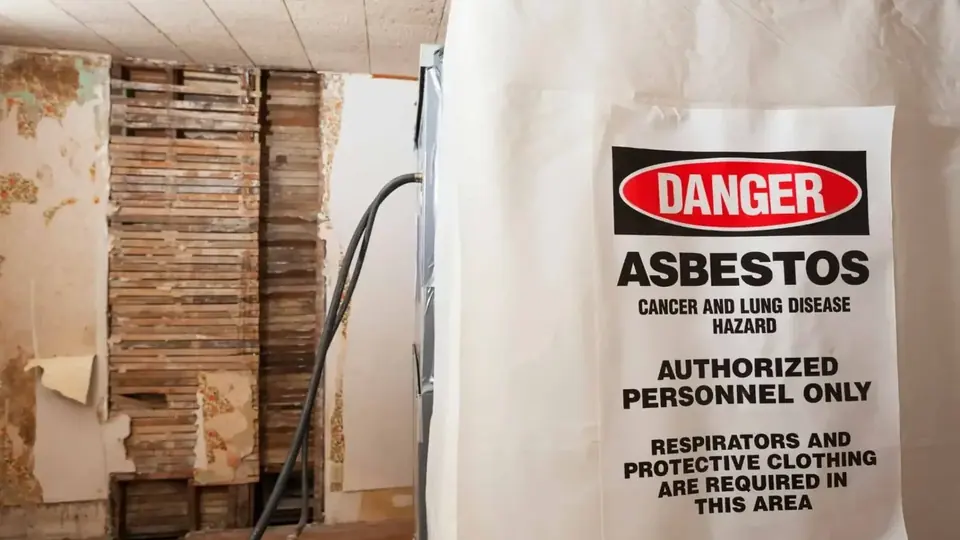
Professional asbestos removal enquiries: verified materials and contractor scope
A professional asbestos removal enquiry should identify the material, evidence, location, proposed disturbance, required work boundaries and project timing.
- Material and OSHA work classification: Thermal-system insulation and surfacing materials differ from floor tile, roofing and siding in OSHA's work-class examples. The qualified contractor determines the applicable classification and controls.
- Containment, disposal and adjacent work: Buyers should distinguish the removal work zone from occupant areas, waste transport, independent monitoring where applicable and later construction or reinstatement.
- Completion evidence and exclusions: The proposal should specify expected closeout records, any required clearance process, waste documentation and who owns unfinished preparation or repair tasks.
01 / REMOVAL
Request professional asbestos removal when evaluated materials require disturbance
A professional asbestos removal proposal should define the material, planned disturbance, work classification, qualified personnel and required controls.
Removal may be considered when a project would disturb asbestos-containing materials or when another management option does not meet the assessed requirements. Not every undisturbed asbestos-containing material requires removal.
Planned construction disturbance
Demolition, stripping, refurbishment or equipment replacement can change the treatment of material that could otherwise remain in place.
Alternative management options
A qualified professional may assess whether material can remain undisturbed or be managed through enclosure or encapsulation, where permitted and suitable.
02 / REMOVAL
Which materials and areas affect removal scope?
The scope depends on the location, condition, material type, accessibility and expected activity. Surfacing, thermal insulation and nonfriable materials can fall under different work classifications.
Flooring, ceilings and roofs
Record the product type, approximate area, substrate, work access and whether material identity is confirmed.
Pipes and mechanical systems
Mechanical insulation may involve overhead runs, constrained spaces, active systems and shutdown coordination.
03 / REMOVAL
What does a professional removal project involve?
A professional project begins with scope verification and a suitable work plan; it then proceeds through the required controls, material handling, documentation and completion steps.
Planning and work controls
The qualified provider determines compliant work classification, regulated area, protective methods and any required notices.
Waste and closeout records
Ask which waste records, inspections and monitoring results will be delivered as applicable, and who authorises reoccupation or follow-on work.
04 / REMOVAL
What affects cost and scheduling?
Removal cost and timeline vary with material, quantity, access, site occupancy, waste requirements, planned work windows and location-specific requirements.
Measured versus estimated scope
A price is more useful when based on a clear material inventory and a shared description of the work area.
Unknown conditions and changes
Hidden materials, building access and unexpected conditions can affect project delivery; ask how assumptions and changes will be handled in proposals.
Evidence and scope for professional asbestos removal
A useful professional asbestos removal enquiry connects the buyer's task to material evidence, work boundaries, applicable professional qualifications and documented deliverables.
What does a removal-ready request include?
Provide the project ZIP, material and location, measured or estimated extent, available reports, property occupancy, intended work date and authorised decision-maker. AAG reviews submissions but does not perform the removal.
Specify the US project state and ZIP, your role, access and occupancy, planned activity, required documents and anticipated schedule. Confirm contractor credentials with the responsible authority. AAG does not guarantee referral acceptance.
OFFICIAL REFERENCE LINKS
Verify standards, credentials and local requirements
Federal guidance does not establish a universal contractor licence. State and local agencies may administer additional rules. These authoritative sources are information, not endorsements of any provider.
MATERIAL-SPECIFIC REMOVAL TASKS
Which building material needs a separate work scope?
Flooring, siding, roofing, ceiling finishes and thermal-system pipe insulation involve different products, access conditions and work classifications. Use the closest material-specific scope rather than assuming a single abatement method fits every product.
Questions about professional asbestos removal
Buyers can clarify the service boundary, referral role and local requirements before submitting project details.
Can a suspected material be included before testing?
Yes. Label it as suspected rather than confirmed and describe the planned activity. A qualified assessment may be necessary before a removal scope can be finalized.
What happens after a project enquiry is submitted?
Asbestos Abatement Guide reviews the submitted project details and may share them with relevant independent providers under the disclosed consent terms. Submission does not guarantee a response, a booking or a quote.