
CEILINGS / SURFACING / UNITED STATES
Asbestos Ceiling Removal: Texture, Tiles & Surfacing
Suspended ceiling panels, acoustic finishes, sprayed-on textures and fireproofing are not one material class. Some historic ceiling systems may contain asbestos; professional assessment identifies the material and the intended disturbance before defining containment, removal, monitoring and restoration responsibilities.
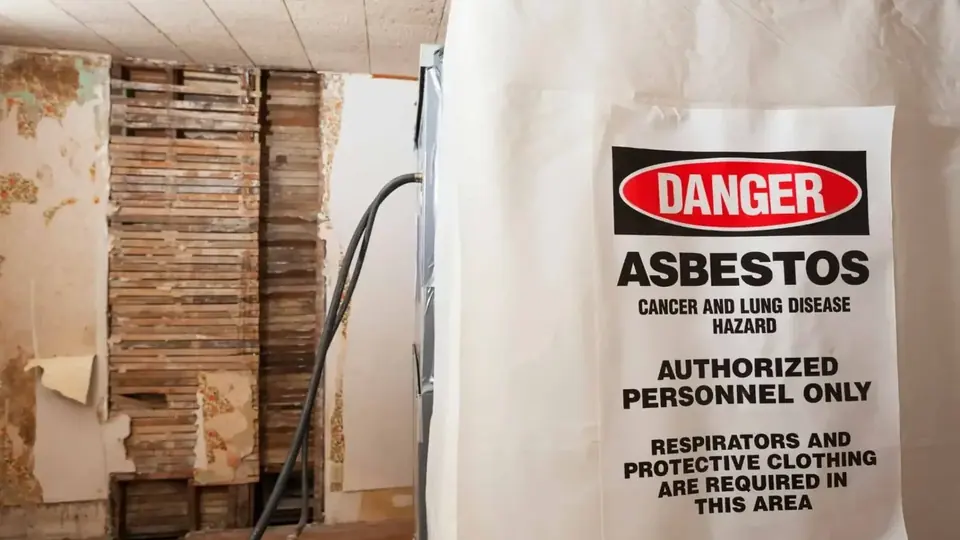
Asbestos ceiling removal scope: surfacing, acoustic panels and structural areas
An asbestos ceiling removal enquiry should distinguish sprayed fireproofing, acoustic surfacing, suspended ceiling products and other suspect materials before a work scope is selected.
- Ceiling-system identification: Buyers identify the space, overhead material, building use and any report. A sprayed structural-steel coating is not necessarily the same work classification as a resilient ceiling panel.
- Occupied-area and overhead access: The buyer records room occupancy, HVAC return locations, ceiling height, lifts and other trade activities that affect safe professional scheduling.
- Class and completion scope: OSHA includes surfacing ACM removal within Class I. The provider evaluates applicable controls, independent clearance provisions where required and closeout documentation.
01 / SERVICE SCOPE
Define ceiling and sprayed-fireproofing removal by confirmed material system
A ceiling-removal enquiry should identify the affected surface, the suspected or confirmed material and its structural or decorative function.
Historic sprayed acoustic texture, some ceiling products and sprayed fireproofing may contain asbestos. The visual finish does not establish fibre content; distinct ceiling layers may need distinct professional evaluation.
Texture versus ceiling tile
A sprayed finish on a plasterboard ceiling is a different product from a removable suspended tile. An accurate enquiry specifies whether the target is finish, panel, coating, backing or insulation.
Surfacing material matters for work classification
OSHA defines surfacing material by how it was applied and categorizes removal of surfacing ACM as Class I work. Not every ceiling tile is automatically surfacing material.
02 / SERVICE SCOPE
When should ceilings be professionally assessed?
Assessment is appropriate when suspected ceiling material will be cut, removed, penetrated or damaged during building work. The scope depends on the specific material, its condition, the existing survey and current work plan.
Lighting and HVAC changes
Work above a ceiling can disturb insulation or sprayed fireproofing even when the visible tile is not the suspect material. Include drawings of services and access points.
Water damage and deteriorated finishes
Crumbling, leaks or delamination affect management options and access controls. Do not sweep, scrape or vacuum suspect dust with ordinary equipment.
03 / SERVICE SCOPE
How do ceiling materials affect abatement scope?
Removal planning depends on whether the product is surfacing ACM, miscellaneous material or another class of building component. The provider identifies containment and worker protection, equipment isolation, overhead work safety and cleanup responsibilities.
Overhead access
Record ceiling height, suspended grids, lighting, sprinklers, ceiling voids, occupied floors and areas requiring temporary closure.
Independent monitoring and reoccupation
Ask which visual inspections or air-clearance procedures apply to the particular setting and jurisdiction. School rules should not be described as universally mandatory for private buildings.
04 / SERVICE SCOPE
What changes a ceiling-removal estimate?
Area, ceiling height, product friability and condition, utility access, containment, waste and replacement scope affect the estimate. Finish removal and full ceiling-system replacement should not be priced as though they are the same task.
Describe existing building operations
Occupied schools, offices and healthcare-related sites can have stringent scheduling and access needs. Do not imply that a site is closed or safe to reoccupy without relevant professional documentation.
Compare end-of-work condition
Request a defined handover condition: removed finish or system, cleaning, reports and clear responsibility for repainting, new ceiling panels or building services.
05 / SERVICE SCOPE
How should the ceiling-work enquiry be prepared?
Identify the affected rooms, finish or tile type, approximate area, ceiling height and planned renovation date. Provide the state and ZIP plus the survey status so the enquiry can be assessed without unsupported assumptions.
If the material is untested
Use suspected or unknown status and indicate whether inspection is needed before the removal plan can be quoted.
Referral boundary
Independent providers, not Asbestos Abatement Guide, determine eligibility, professional methods and any completion criteria.
ENTITY ATTRIBUTES
Which project attributes change the proposal?
A clear procurement request connects a defined service to the material, property, evidence, scope, time, regulatory context and proposed deliverables. Compare these same dimensions across written responses.
| Attribute | What to record |
|---|---|
| Material / subject | Asbestos Ceiling Removal: Texture, Tiles & Surfacing |
| Before provider review | Asbestos status and any available written survey or sample report |
| Physical context | Property type, US project location, affected areas and access restrictions |
| Commercial scope | Work boundaries, occupancy constraints, intended dates and closeout deliverables |
| Regulatory context | Work-appropriate professional qualifications and state/local asbestos-program review |
| Enquiry outcome | Possible independent-provider consideration, never a guaranteed match or price |
Evidence and scope for asbestos ceiling removal
A useful asbestos ceiling removal enquiry connects the buyer's task to material evidence, work boundaries, applicable professional qualifications and documented deliverables.
What distinguishes fireproofing from a decorative ceiling finish?
Fireproofing serves a building assembly or structural protection function, while a decorative texture serves a finish function. The material's purpose, condition and confirmed composition affect the professional proposal.
Specify the US project state and ZIP, your role, access and occupancy, planned activity, required documents and anticipated schedule. Confirm contractor credentials with the responsible authority. AAG does not guarantee referral acceptance.
PRIMARY-SOURCE VERIFICATION
Official regulatory and accreditation references
Review the federal rule and your state implementing authority before deciding what is required. State qualifications, notifications, sampling and disposal obligations can differ by project. These links do not endorse a provider.
- OSHA Class I surfacing-material definitions ↗
- EPA building owner asbestos management guidance ↗
- State asbestos agency contacts ↗
How to verify which rules apply
Questions about asbestos ceiling removal
Buyers can clarify the service boundary, referral role and local requirements before submitting project details.
Can asbestos ceiling removal be scheduled during renovation?
The project can be planned in the renovation sequence, but the contractor must assess applicable requirements, access and occupant protection before defining work and scheduling.
What happens after a project enquiry is submitted?
Asbestos Abatement Guide reviews the submitted project details and may share them with relevant independent providers under the disclosed consent terms. Submission does not guarantee a response, a booking or a quote.