
SERVICE / ASSESSMENT / UNITED STATES
Asbestos Inspection for Buildings and Project Planning
An asbestos inspection is a professional evaluation of a building or defined work area to identify suspect asbestos-containing materials and document their locations and condition. An inspection may include sampling and laboratory analysis, but the required scope depends on the intended work and applicable rules.
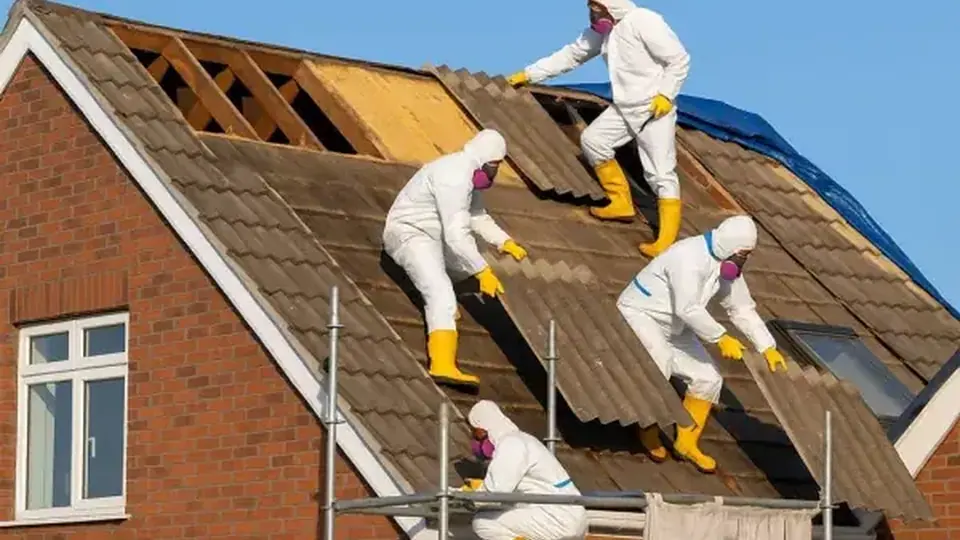
Asbestos inspection proposals: building coverage and survey deliverables
An asbestos inspection proposal should define the inspected building areas, planned disturbance and report required for a property or renovation decision.
- Building areas and exclusions: The owner identifies tenant areas, ceilings, pipe spaces, mechanical rooms or inaccessible zones. The inspector's proposal states where access, sampling or destructive inspection is excluded.
- Inspection purpose and project timing: A renovation, property acquisition, routine management or planned demolition creates different survey boundaries. The buyer provides plans and project dates to clarify the assignment.
- Report acceptance criteria: The buyer requests mapped suspect materials, sample references, laboratory findings where collected, uncertainties and recommendations for further professional evaluation.
01 / INSPECTION
Request asbestos inspection for acquisition, renovation or demolition decisions
An asbestos inspection proposal should identify the building areas and purpose of the assessment, with a clear survey boundary and deliverable.
A property owner may seek inspection before renovation, demolition, building acquisition or changes to occupancy and maintenance work. Regulatory triggers vary by property type and location.
Pre-renovation or demolition
Define the planned disturbance footprint rather than asking for a generic “asbestos check.” Work inside walls, ceiling voids and mechanical areas can create different access needs.
Existing building management
An assessment of known or suspected materials can help a facility team plan maintenance, monitor condition and document restrictions for future trades.
02 / INSPECTION
What should an inspection cover?
The scope should identify the buildings, rooms, surfaces and accessible systems to be assessed. Inaccessible spaces and exclusions must be explicit because they limit what the inspection can establish.
Materials and physical condition
The inspector may document surfacing materials, pipe insulation, flooring, roofing or other suspect products and note observed damage, accessibility and potential disturbance.
Additional sampling
If material identity is uncertain, a qualified professional can advise whether sampling and an appropriate laboratory method are needed.
03 / INSPECTION
What does an inspection report contain?
A useful inspection report connects findings to precise locations and describes the survey method, identified materials, sampling results and scope limitations. The buyer should be able to connect the findings to planned work.
Mapped locations and evidence
Request room or system references, material descriptions and supporting sample identifiers where applicable. A building plan or annotated photo can reduce ambiguity.
Limitations and next actions
Ask which areas were not accessible and whether additional destructive investigation is needed before a contractor bids on a specific scope.
04 / INSPECTION
How do property owners prepare an inspection enquiry?
Prepare property information, approximate size, planned work, current occupancy, existing reports and the required completion window. These details help a qualified inspection provider evaluate the task.
Work-trigger details
State whether the project is demolition, interior renovation, facility maintenance or general due diligence. Identify any deadline established by construction procurement.
Credentials and jurisdiction
Confirm relevant inspection credentials and local rules with the competent state agency; an accreditation or license valid in one state is not necessarily sufficient elsewhere.
Evidence and scope for building asbestos inspection
A useful building asbestos inspection enquiry connects the buyer's task to material evidence, work boundaries, applicable professional qualifications and documented deliverables.
What distinguishes a survey from a laboratory test?
An inspection or survey evaluates defined building areas and material conditions, while a laboratory test analyses a submitted sample. A complete procurement brief specifies whether both tasks are included.
Specify the US project state and ZIP, your role, access and occupancy, planned activity, required documents and anticipated schedule. Confirm contractor credentials with the responsible authority. AAG does not guarantee referral acceptance.
OFFICIAL REFERENCE LINKS
Verify standards, credentials and local requirements
Federal guidance does not establish a universal contractor licence. State and local agencies may administer additional rules. These authoritative sources are information, not endorsements of any provider.
Questions about building asbestos inspection
Buyers can clarify the service boundary, referral role and local requirements before submitting project details.
Can an inspection provider also perform the removal?
Provider arrangements and independence requirements vary by jurisdiction and project. Verify relevant credentials and any required separation between assessment, abatement and clearance before appointing professionals.
What happens after a project enquiry is submitted?
Asbestos Abatement Guide reviews the submitted project details and may share them with relevant independent providers under the disclosed consent terms. Submission does not guarantee a response, a booking or a quote.