
SERVICE / INDUSTRIAL / UNITED STATES
Industrial Asbestos Abatement Project Enquiries
Industrial asbestos abatement planning concerns asbestos-related work in plants, utilities and industrial facilities where equipment, production access, worker coordination and shutdown windows influence project scope. The facility operator should define the systems and affected work areas before seeking provider proposals.
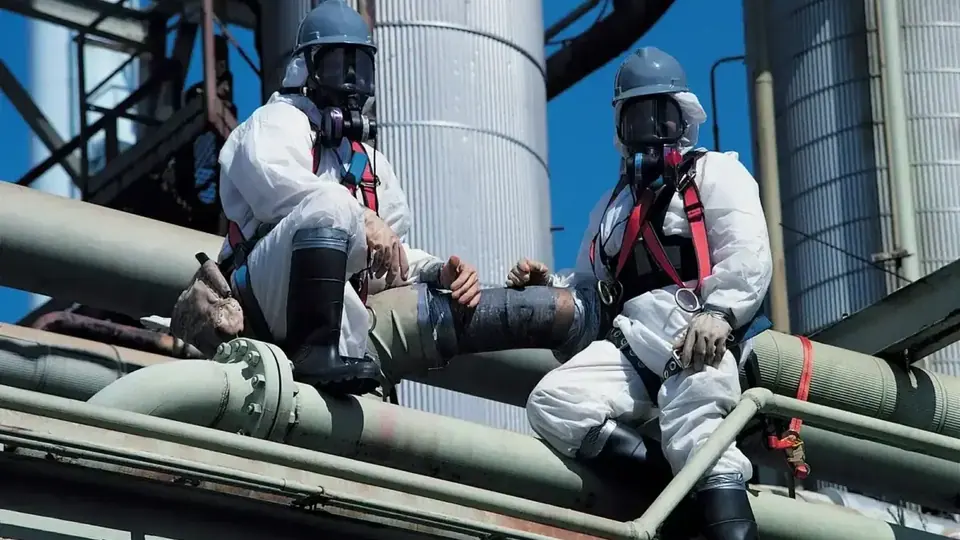
Industrial asbestos abatement scope: thermal systems and shutdown constraints
An industrial asbestos abatement enquiry should document the affected process equipment, insulation or surfacing material and the shutdown conditions under which professional work would occur.
- Mechanical-system inventory: Plant teams identify pipe runs, vessels, valves, elbows, insulation systems and accessible work heights. A proposed scope distinguishes thermal-system insulation from other suspect materials.
- Operational interfaces: The project manager records isolation windows, maintenance shutdowns, restricted spaces, adjacent operations, safety permits and access constraints for qualified contractor review.
- Industrial deliverables: A buyer may request an equipment-area map, method and control proposal, work sequencing, waste responsibilities and reinstatement boundaries as relevant to the project.
01 / INDUSTRIAL
Industrial asbestos abatement scope for mechanical systems and scheduled shutdowns
An industrial asbestos abatement enquiry should identify mechanical equipment, suspected materials, access, process isolation and shutdown timing.
Industrial projects often involve piping, vessels, mechanical insulation and equipment access in operating facilities. Scope development needs coordination with other trades and facility safety controls.
Process and equipment interfaces
Identify pipe runs, equipment tags, elevation, adjacent systems and whether equipment can be isolated. These details shape both access and work sequencing.
Worksite coordination
Maintenance contractors, operations teams and the asbestos work contractor may need a defined interface for work areas, handovers and building-owner information duties.
02 / INDUSTRIAL
How do shutdowns and access affect a project?
Shutdown duration, hot-work conflicts, work permits, restricted entry and equipment status can affect when abatement can be performed and what resources are required.
Access and occupation
Provide access restrictions, work height, confined-space constraints and required work windows without implying that any single control method is suitable in every case.
Sequencing and milestones
Explain whether work must precede mechanical demolition, insulation replacement or equipment commissioning. Flag critical-path dates rather than promising fixed turnaround.
03 / INDUSTRIAL
What documents improve an industrial RFQ?
A useful industrial request includes location, system descriptions, available asbestos surveys, estimated extent, shutdown windows, site safety requirements and expected completion documentation.
Material inventory and drawings
Attach relevant marked-up drawings or a material inventory if you have authority to share them. Do not send security-sensitive drawings in a public enquiry.
Bid comparison framework
Ask each prospective provider to identify exclusions, training/credentials, disposal plan, schedule assumptions, reporting, and coordination responsibilities.
04 / INDUSTRIAL
Which official requirements should be checked?
The applicable OSHA asbestos standard and EPA or delegated state/local environmental requirements depend on the operation, location and work classification.
Construction work classification
OSHA 29 CFR 1926.1101 covers specified asbestos construction work, including demolition, removal and renovation activities.
Notifications and state authorities
The EPA asbestos NESHAP and local programs can impose notification, work-practice or waste obligations. Verify with the actual jurisdiction before committing to a schedule.
Evidence and scope for industrial asbestos abatement
A useful industrial asbestos abatement enquiry connects the buyer's task to material evidence, work boundaries, applicable professional qualifications and documented deliverables.
Which records improve industrial contractor comparison?
Provide equipment identifiers, drawings, known sampling results, measured work areas, shutdown dates and expected handover documentation. Separate insulation replacement from regulated asbestos removal in the proposal.
Specify the US project state and ZIP, your role, access and occupancy, planned activity, required documents and anticipated schedule. Confirm contractor credentials with the responsible authority. AAG does not guarantee referral acceptance.
OFFICIAL REFERENCE LINKS
Verify standards, credentials and local requirements
Federal guidance does not establish a universal contractor licence. State and local agencies may administer additional rules. These authoritative sources are information, not endorsements of any provider.
Questions about industrial asbestos abatement
Buyers can clarify the service boundary, referral role and local requirements before submitting project details.
Is a factory asbestos project automatically Class I work?
No. OSHA classifications depend on the material and activity. Thermal-system insulation or surfacing removal may fall under Class I, while other materials and maintenance tasks can fall under different classifications.
What happens after a project enquiry is submitted?
Asbestos Abatement Guide reviews the submitted project details and may share them with relevant independent providers under the disclosed consent terms. Submission does not guarantee a response, a booking or a quote.