
SERVICE / COMMERCIAL / UNITED STATES
Commercial Asbestos Abatement Project Planning
Commercial asbestos abatement planning turns a defined building project into an appropriate scope for independent inspection, testing, removal or management professionals. Property owners and facilities teams must account for access, tenant occupancy, schedule and regulatory duties.
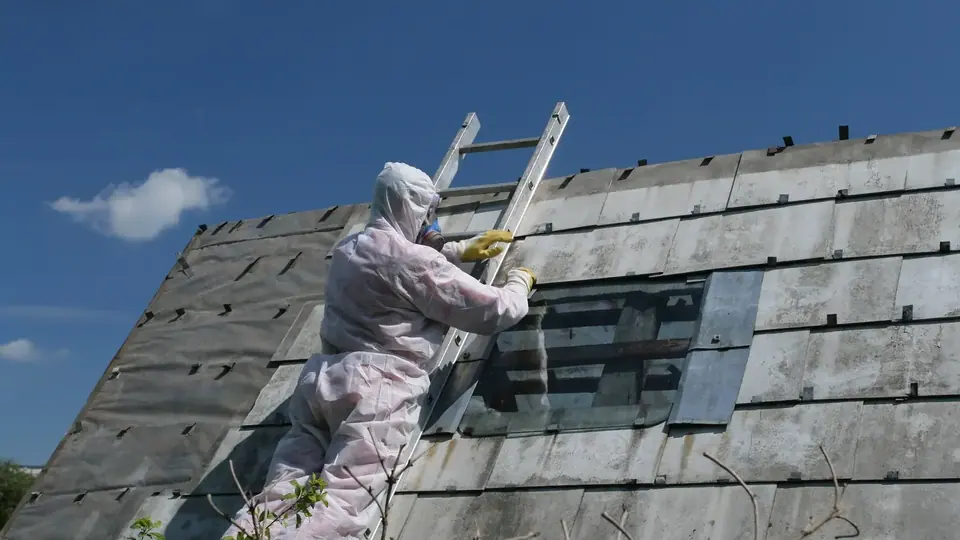
Commercial asbestos abatement procurement for occupied and vacant properties
A commercial asbestos abatement enquiry should identify the property use, asbestos work area, occupant impacts, construction sequence and documents bidders must provide.
- Tenant and facility coordination: The property owner or manager records access hours, adjacent occupied units, HVAC interfaces, deliveries and work-area isolation requirements for professional review.
- Bid package and subcontractor boundaries: A procurement scope distinguishes asbestos assessment, regulated abatement, air monitoring, waste documentation and building reinstatement so separate proposals remain comparable.
- Completion and handover: The buyer requests a proposed work boundary, applicable approvals, schedule milestones and the closeout evidence expected from each contracted professional.
01 / COMMERCIAL
Commercial asbestos abatement planning for occupied and renovating buildings
A commercial asbestos abatement enquiry should distinguish occupied operations, renovation or demolition activity, material evidence and project work boundaries.
Renovation, demolition, major maintenance and tenancy changes can require asbestos-related due diligence, with requirements determined by material, building type, activity and jurisdiction.
Occupied offices and retail spaces
A scoped plan should identify tenant access, restricted hours, adjacent trades and business-continuity requirements.
Demolition and redevelopment
Provide proposed demolition dates, any available surveys and the affected buildings. Ask the appropriate authority about notification and survey requirements before proceeding.
02 / COMMERCIAL
How should a commercial bid scope be defined?
Comparable bids need the same description of work areas, known or suspected materials, quantities, site access and deliverables.
Measured quantities and assumptions
Mark whether quantities are verified or approximate. Include drawing revisions, photographs, sampling reports and inaccessible areas.
Proposal exclusions
Ask how each provider addresses monitoring, waste manifests, replacement finishes, permits and variations so bids can be evaluated on consistent assumptions.
03 / COMMERCIAL
What compliance and coordination questions matter?
Commercial buyers should determine who is responsible for site notifications, worker protection, monitoring, waste handling and communication with building occupants.
Agency and credential checks
Confirm the relevant state-level licensing or accreditation rules and verify professional credentials with the issuing authority.
Occupied-space interface
Document who manages occupancy restrictions and when other trades can safely re-enter the affected work area.
04 / COMMERCIAL
What should a commercial enquiry include?
The enquiry should identify procurement authority, address, property type, project milestone, known material, surveys, extent and required provider response.
Responsible project contact
Name the authorised decision-maker or procurement coordinator and explain whether the enquiry is a request for budget planning or an active bid.
Documents worth sharing
Provide a non-sensitive scope summary and available asbestos report. More detailed or confidential project records should be exchanged through an appropriate approved process.
Evidence and scope for commercial asbestos abatement
A useful commercial asbestos abatement enquiry connects the buyer's task to material evidence, work boundaries, applicable professional qualifications and documented deliverables.
Which commercial buyer roles can submit an enquiry?
Property owners, authorised managers, general contractors, facilities leads and institutional procurement representatives can describe a real US project. The RFQ should explain who controls access and approves the scope.
Specify the US project state and ZIP, your role, access and occupancy, planned activity, required documents and anticipated schedule. Confirm contractor credentials with the responsible authority. AAG does not guarantee referral acceptance.
OFFICIAL REFERENCE LINKS
Verify standards, credentials and local requirements
Federal guidance does not establish a universal contractor licence. State and local agencies may administer additional rules. These authoritative sources are information, not endorsements of any provider.
Questions about commercial asbestos abatement
Buyers can clarify the service boundary, referral role and local requirements before submitting project details.
Can a commercial enquiry include several building areas?
Yes. Identify each building, floor or tenant area and the intended construction sequence. A professional may need to assess separate material systems and occupancy constraints before preparing a work plan.
What happens after a project enquiry is submitted?
Asbestos Abatement Guide reviews the submitted project details and may share them with relevant independent providers under the disclosed consent terms. Submission does not guarantee a response, a booking or a quote.