
AIR / MONITORING / CLEARANCE
Asbestos Air Monitoring & Clearance Testing
Asbestos air monitoring uses professionally collected air samples to assess airborne fibres for a stated occupational, project-control or post-abatement purpose. Air analysis is distinct from bulk-material testing: the sampling method, analytical technique and interpretation must match the project requirement. Use this page to prepare an independent-provider enquiry, not as a certificate of air safety.
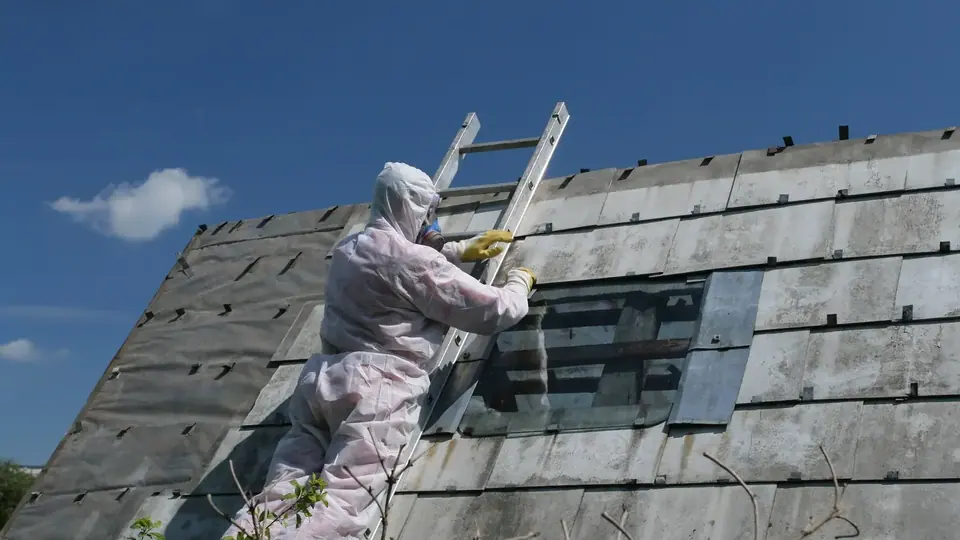
Air monitoring and clearance procurement: purpose, methods and independence
An asbestos air monitoring request should state whether the buyer needs occupational exposure assessment, ambient project monitoring or post-work clearance under a specified requirement.
- Monitoring question: The buyer describes the worker group, work area, schedule and regulatory or contract purpose. Different monitoring programs cannot be treated as interchangeable.
- Analytical method and decision limit: A proposal identifies the sampling method, laboratory or analyst qualifications, report format and any project-specific decision criteria. PCM and TEM do not provide identical analytical results.
- Independent reporting and follow-up: Where independent clearance is required or specified, buyers should verify reviewer independence, who interprets results, and what happens if the specified criteria are not met.
01 / SERVICE SCOPE
Select asbestos air monitoring by sampling purpose and clearance requirement
An asbestos air monitoring proposal should state the sampling purpose, work area, analytical method, interpretation responsibility and any project-specific clearance requirement.
Air monitoring collects samples of air to evaluate airborne fibres under a defined method and project purpose. It does not establish the asbestos content of an untested tile or pipe wrap, and a result without its sampling context cannot be treated as a universal safety certificate.
During-work monitoring
Occupational exposure monitoring evaluates workers' airborne exposure under applicable OSHA requirements. Perimeter or area monitoring can serve other specified work-control goals, depending on the plan and local requirements.
After-work assessment
Post-abatement clearance is a distinct, defined evaluation after the work and cleaning. The required method, sampling plan and acceptance criteria depend on the program and jurisdiction.
02 / SERVICE SCOPE
When might monitoring or clearance be specified?
Monitoring may be required by an applicable asbestos rule, contractual specification, occupational exposure assessment or site clearance plan. The project owner should confirm the specific authority and the professional responsible for choosing acceptance criteria.
Occupational requirements
OSHA construction asbestos rules define circumstances for employee exposure assessments and monitoring. Those employer duties should not be conflated with an occupant reentry certification.
School versus non-school requirements
EPA AHERA school rules include specific clearance provisions. EPA describes school clearance procedures as a possible reference for other facilities, but not an automatic federal requirement for all commercial buildings.
03 / SERVICE SCOPE
How are PCM and TEM used in air analysis?
Phase contrast microscopy (PCM) counts visible fibres under its analytical method but does not identify asbestos fibres specifically. Transmission electron microscopy (TEM) can distinguish asbestos fibres and is used in defined AHERA clearance procedures. Choose methods according to the actual question being answered.
PCM for exposure assessment
A PCM result depends on sampling conditions and fibre counting criteria. It should not be described as a proof that all observed fibres are asbestos.
TEM for defined asbestos analysis
TEM provides mineral-specific information for sampled air using relevant methods. Whether TEM is appropriate or required depends on the applicable program and professional assessment.
04 / SERVICE SCOPE
What should a monitoring report include?
A useful report identifies the project location, collection dates, sample positions, sampling purpose, analysis method, laboratory, reported results and any required clearance decision. Data should be linked to the exact work area and purpose, not generalized to the entire property.
Sampling independence
For a buyer's scope, identify who collects samples, who interprets results and whether independent assessment is required or desired by contract.
Limitations and next steps
Ask the professional to explain detection limits, air volumes, damaged sampling equipment, visual inspections and what happens if acceptance criteria are not satisfied.
05 / SERVICE SCOPE
How should you request an air-monitoring enquiry?
Describe the building, nature of abatement work, expected work dates, state/ZIP and whether the need is during-work monitoring or final clearance. Provide the responsible owner or general contractor role and existing survey details where available.
Do not guess the method
If the contract or authority has not yet specified PCM or TEM, indicate 'method to be determined by qualified professional' rather than choosing from a search result.
Referral disclosure
Asbestos Abatement Guide may review and refer a consented request. An independent professional determines the monitoring plan, results and any acceptance decision.
ENTITY ATTRIBUTES
Which project attributes change the proposal?
A clear procurement request connects a defined service to the material, property, evidence, scope, time, regulatory context and proposed deliverables. Compare these same dimensions across written responses.
| Attribute | What to record |
|---|---|
| Material / subject | Asbestos Air Monitoring & Clearance Testing |
| Before provider review | Asbestos status and any available written survey or sample report |
| Physical context | Property type, US project location, affected areas and access restrictions |
| Commercial scope | Work boundaries, occupancy constraints, intended dates and closeout deliverables |
| Regulatory context | Work-appropriate professional qualifications and state/local asbestos-program review |
| Enquiry outcome | Possible independent-provider consideration, never a guaranteed match or price |
Evidence and scope for asbestos air monitoring
A useful asbestos air monitoring enquiry connects the buyer's task to material evidence, work boundaries, applicable professional qualifications and documented deliverables.
Which monitoring deliverables belong in a request?
Request the sampling plan, site map, collection dates, analytic method, results, limitations and named party responsible for interpretation. Distinguish regulatory criteria from a private contract requirement.
Specify the US project state and ZIP, your role, access and occupancy, planned activity, required documents and anticipated schedule. Confirm contractor credentials with the responsible authority. AAG does not guarantee referral acceptance.
PRIMARY-SOURCE VERIFICATION
Official regulatory and accreditation references
Review the federal rule and your state implementing authority before deciding what is required. State qualifications, notifications, sampling and disposal obligations can differ by project. These links do not endorse a provider.
- OSHA employee exposure monitoring standard ↗
- EPA asbestos professionals and NVLAP laboratories ↗
- EPA guidance on clearance context for buildings ↗
How to verify which rules apply
Questions about asbestos air monitoring
Buyers can clarify the service boundary, referral role and local requirements before submitting project details.
Does every asbestos removal project need the same clearance test?
No. The applicable rules and project specifications differ by jurisdiction and building type. Buyers should verify the specific requirement instead of assuming AHERA school procedures apply universally.
What happens after a project enquiry is submitted?
Asbestos Abatement Guide reviews the submitted project details and may share them with relevant independent providers under the disclosed consent terms. Submission does not guarantee a response, a booking or a quote.