
SERVICE / MANAGEMENT / UNITED STATES
Asbestos Encapsulation and In-Place Management
Asbestos encapsulation is a management approach in which an appropriate treatment is used to help secure asbestos-containing material in place. It is not the same as removing material, and its suitability depends on the material, its condition, future disturbance and the governing requirements.
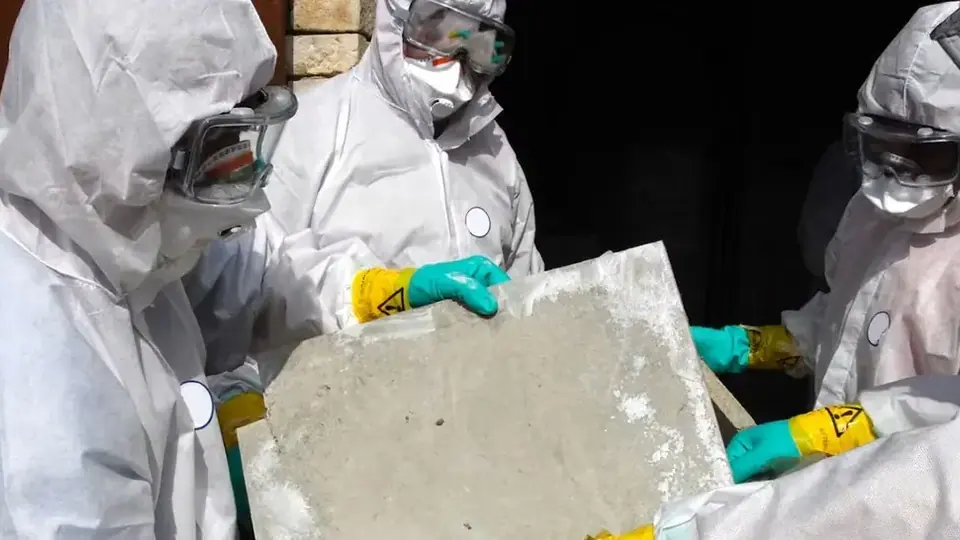
Asbestos encapsulation selection: suitability, access and future work
An asbestos encapsulation enquiry should describe the confirmed or suspected material, its condition, future disturbance risk and the professional suitability decision required.
- Condition and system compatibility: The buyer identifies friable or damaged surfaces, accessible locations and planned work. A qualified professional determines whether an in-place treatment is suitable; a coating is not a universal substitute for removal.
- Building use and change control: Occupied spaces, maintenance access, future penetrations and planned renovation affect how an in-place management proposal is evaluated.
- Scope and ongoing records: A proposed deliverable can specify assessed areas, treatment boundaries, material identification, maintenance restrictions and follow-up responsibilities, where applicable.
01 / ENCAPSULATION
Evaluate asbestos encapsulation for confirmed material and future building use
An asbestos encapsulation request should describe the material condition, likelihood of disturbance and building use before a qualified professional assesses suitability.
Encapsulation may be evaluated when asbestos-containing material can remain in place without expected damage or incompatible future work. A qualified professional must assess whether the proposed management approach is appropriate.
Condition and substrate
Loose, deteriorated, water-damaged or inaccessible material can affect suitability. The treatment must be compatible with the material and its intended use.
Future renovation risk
Maintenance and renovation teams need documented information about retained asbestos-containing material. Future drilling, demolition or access can change the management decision.
02 / ENCAPSULATION
When might encapsulation be unsuitable?
Encapsulation may be inappropriate where the material cannot be reliably stabilised, planned work will disturb it, or legal requirements call for a different response.
Recurring disturbance
Repeated access to pipework, ceilings and service routes may make retention impractical, especially where operations could damage the treated material.
Required removal
Some scopes or regulatory circumstances may require removal rather than in-place treatment. The determination belongs to qualified professionals and the applicable authority.
03 / ENCAPSULATION
How do encapsulation, enclosure and removal differ?
Encapsulation treats material in place; enclosure isolates it behind a barrier; removal physically takes the material away. Each has different scope, maintenance and documentation implications.
Retained-material record
In-place controls require future owners and trades to know what remains and where it is located.
Selection evidence
Compare documented material condition, property use, access requirements and planned future work: not only initial project cost.
04 / ENCAPSULATION
What should an encapsulation project document?
A clear request should include the exact material location, available inspection findings, intended access restrictions, preferred work period and required deliverables.
Professional evaluation
Ask how the provider will document condition, material suitability, control specifications and any inspection or monitoring after completion.
Ongoing management
Ask what information must be retained for future maintenance, refurbishment or sale and who is responsible for updating the management record.
Evidence and scope for asbestos encapsulation
A useful asbestos encapsulation enquiry connects the buyer's task to material evidence, work boundaries, applicable professional qualifications and documented deliverables.
How should a buyer compare encapsulation with removal?
Compare the documented material condition, planned disturbance, long-term management obligations and professional recommendations. Do not assume either option is appropriate without a material-specific assessment.
Specify the US project state and ZIP, your role, access and occupancy, planned activity, required documents and anticipated schedule. Confirm contractor credentials with the responsible authority. AAG does not guarantee referral acceptance.
OFFICIAL REFERENCE LINKS
Verify standards, credentials and local requirements
Federal guidance does not establish a universal contractor licence. State and local agencies may administer additional rules. These authoritative sources are information, not endorsements of any provider.
Questions about asbestos encapsulation
Buyers can clarify the service boundary, referral role and local requirements before submitting project details.
Does encapsulation eliminate the asbestos material?
No. Encapsulation generally manages material in place; it does not remove the underlying asbestos-containing material. The buyer should request a written scope and future-disturbance information.
What happens after a project enquiry is submitted?
Asbestos Abatement Guide reviews the submitted project details and may share them with relevant independent providers under the disclosed consent terms. Submission does not guarantee a response, a booking or a quote.