
PIPES / THERMAL INSULATION / US
Asbestos Pipe Insulation Removal & Project Scope
Pipe lagging, elbows, fittings and thermal-system insulation can contain asbestos in older facilities. Work planning must identify the exact insulated systems, whether they will be disturbed, access and isolation constraints, and appropriate professional controls. Asbestos Abatement Guide supports an enquiry for possible independent-provider consideration.
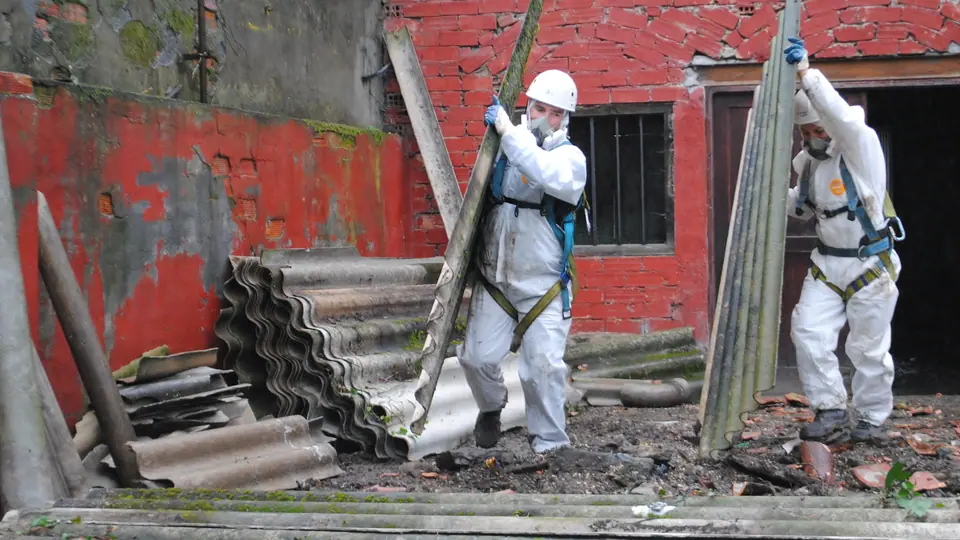
Pipe insulation asbestos removal: mechanical-system scope and documentation
A pipe insulation removal request should identify the insulated pipe or equipment system, measured runs, access conditions and shutdown requirements.
- Thermal-system insulation inventory: The project scope distinguishes straight runs, elbows, valves, fittings, boilers and insulation on vessels. Each item can change material quantities and access requirements.
- Shutdown and adjacent equipment: The facilities buyer identifies energy-isolation requirements, elevated work, constrained mechanical rooms and adjacent operations for a qualified contractor's plan.
- Professional work classification: OSHA defines removal of asbestos-containing thermal-system insulation as Class I work. Buyers should request credentials, appropriate control descriptions and closeout records.
01 / SERVICE SCOPE
Specify pipe and thermal-system insulation removal for mechanical work
A pipe-insulation removal request should identify affected thermal-system components, measured runs, equipment access and shutdown requirements.
Pipe-insulation removal concerns asbestos-containing thermal-system insulation on pipes, valves, fittings or related equipment. OSHA defines removal of thermal-system insulation ACM as Class I asbestos work under its construction standard.
Lagging, elbows and equipment joints
Different insulation sections may have different compositions or conditions. Map straight runs, elbows, valves, equipment ends and damaged areas before asking for a comprehensive proposal.
Live systems and insulated assets
A heating, steam or process line may require isolation or a coordinated shutdown before work. The facility operator and qualified service provider determine operating boundaries.
02 / SERVICE SCOPE
When is thermal insulation likely to be disturbed?
Renovation, equipment replacement, maintenance and utility-system upgrades can disturb existing insulation. A survey of the relevant system and work area helps determine the actual scope and whether additional material evaluation is required.
Repair versus system replacement
Removing a limited fitting and stripping an entire mechanical line create different access, scheduling, protection and waste requirements. Define the engineering task before seeking bids.
Condition and access
Damaged insulation, confined service rooms, congested pipe racks and elevated galleries influence worker access and control planning. Avoid stripping or breaking suspect wrapping to identify it.
03 / SERVICE SCOPE
What affects professional pipe-insulation scope?
The scope depends on insulated length, pipe diameter and fittings, insulation condition, access, isolation requirements, asbestos status and exposure-control planning. Document these variables rather than relying only on the property's square footage.
Mechanical and electrical coordination
Record system owner, shutdown contact, line temperature or status where known, adjacent equipment and work permits. Professional contractors decide safe isolation and removal methods.
Protection and disposal responsibilities
The proposal should state how affected spaces are controlled, who handles asbestos waste, what documentation is delivered, and who reinstalls non-asbestos insulation.
04 / SERVICE SCOPE
What evidence is useful before procurement?
Existing pipe surveys, facility drawings, product samples collected by qualified professionals, maintenance records and defined work limits can make proposals comparable. A contractor should verify whether documents cover the exact line and fittings involved.
Class I work and competent personnel
Ask for evidence of work-appropriate accreditation and employer procedures under OSHA and applicable state rules. A generic insulation-contractor credential does not establish asbestos qualifications.
Air monitoring or independent clearance
Specify who determines whether air monitoring or clearance is required and whether an independent assessor will perform it. Do not assume one universal clearance test applies to every site.
05 / SERVICE SCOPE
How can industrial or commercial buyers enquire?
Provide the facility state/ZIP, system type, approximate insulated length, known condition, occupancy and planned shutdown window. Record asbestos status accurately and explain the downstream mechanical replacement work.
Scope and schedule
A useful request separates survey, professional removal, testing or clearance if specified, disposal and re-insulation responsibilities.
Possible provider referral
We may share a consented enquiry with independent providers. Provider response, service availability and any quotation are not guaranteed.
ENTITY ATTRIBUTES
Which project attributes change the proposal?
A clear procurement request connects a defined service to the material, property, evidence, scope, time, regulatory context and proposed deliverables. Compare these same dimensions across written responses.
| Attribute | What to record |
|---|---|
| Material / subject | Asbestos Pipe Insulation Removal & Project Scope |
| Before provider review | Asbestos status and any available written survey or sample report |
| Physical context | Property type, US project location, affected areas and access restrictions |
| Commercial scope | Work boundaries, occupancy constraints, intended dates and closeout deliverables |
| Regulatory context | Work-appropriate professional qualifications and state/local asbestos-program review |
| Enquiry outcome | Possible independent-provider consideration, never a guaranteed match or price |
Evidence and scope for asbestos pipe insulation removal
A useful asbestos pipe insulation removal enquiry connects the buyer's task to material evidence, work boundaries, applicable professional qualifications and documented deliverables.
What information is needed for an insulation request?
Provide pipe size where known, approximate linear feet, affected equipment, insulation condition, drawings, sample evidence, schedule and access notes. Flag areas not yet inspected.
Specify the US project state and ZIP, your role, access and occupancy, planned activity, required documents and anticipated schedule. Confirm contractor credentials with the responsible authority. AAG does not guarantee referral acceptance.
PRIMARY-SOURCE VERIFICATION
Official regulatory and accreditation references
Review the federal rule and your state implementing authority before deciding what is required. State qualifications, notifications, sampling and disposal obligations can differ by project. These links do not endorse a provider.
- OSHA Class I thermal-system insulation asbestos standard ↗
- EPA building management and renovation guidance ↗
- EPA state contact directory ↗
How to verify which rules apply
Questions about asbestos pipe insulation removal
Buyers can clarify the service boundary, referral role and local requirements before submitting project details.
Is pipe repair included in asbestos insulation removal?
Not necessarily. The scope may stop after removal and required documentation. Describe intended pipe repair, reinsulation or mechanical replacement as separate work interfaces.
What happens after a project enquiry is submitted?
Asbestos Abatement Guide reviews the submitted project details and may share them with relevant independent providers under the disclosed consent terms. Submission does not guarantee a response, a booking or a quote.